Pregnancy Care in Gwalior
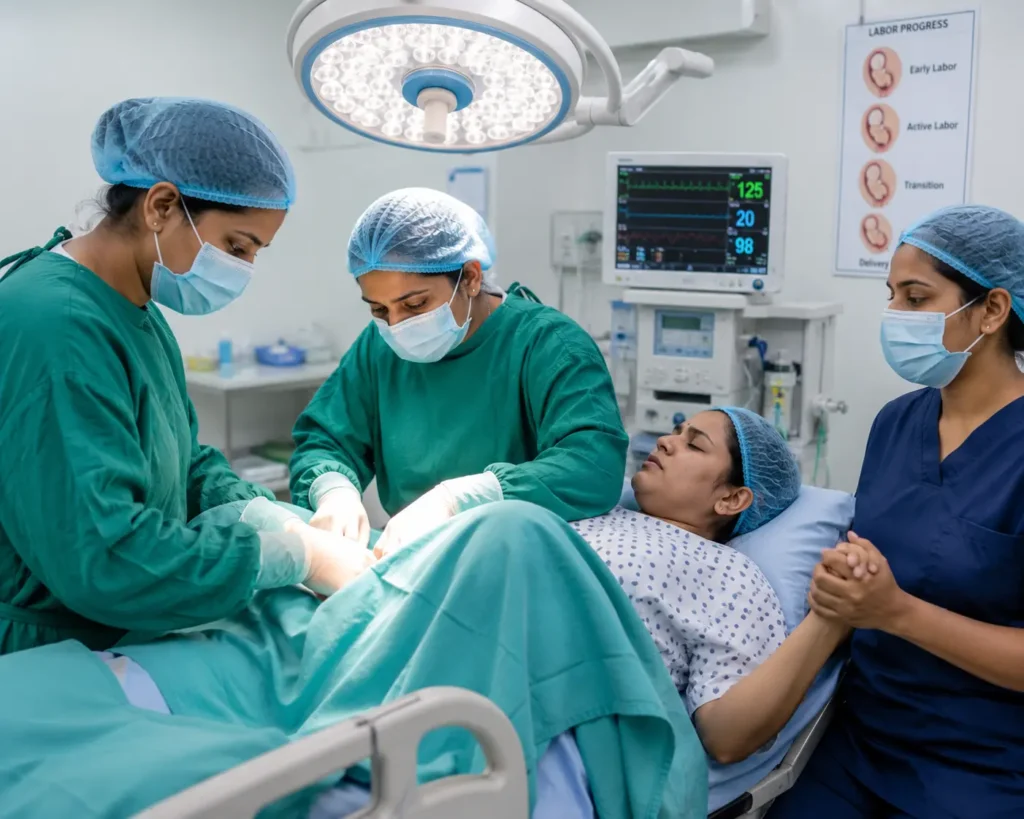
Pregnancy Care & High-Risk Pregnancy Management in Gwalior
Pregnancy care isn’t a single checkup, it’s a series of steps that follow a woman from the first missed period through delivery, with each stage needing different monitoring and support. At Shashwat Hospital, pregnancy care in Gwalior covers the full journey, routine prenatal visits for low-risk pregnancies, and specialized management for high-risk pregnancy cases that need closer attention.
This distinction matters more than many expecting mothers realize. According to the latest Sample Registration System (SRS) data, Madhya Pradesh recorded a Maternal Mortality Ratio of 135 per 100,000 live births in the 2022-24 period, notably higher than the national average of 87. Nationally, hemorrhage and hypertensive disorders account for around 40 percent of maternal deaths, both conditions that regular prenatal monitoring is specifically designed to catch early. Good pregnancy care isn’t precaution for its own sake, it’s the difference between catching a complication in week 20 versus discovering it in the delivery room.
Routine Pregnancy Care in Gwalior
For most pregnancies, care follows a predictable rhythm built around three trimesters, each with its own priorities.
First trimester (weeks 1 to 12)
This is when the pregnancy is confirmed, due date is calculated, and baseline health checks begin.
- Confirmation of pregnancy through blood or urine testing
- Initial blood work, including blood group, hemoglobin, and infection screening
- Dating ultrasound to confirm gestational age
- Folic acid and prenatal vitamin guidance
- Discussion of family history and any pre-existing conditions
Second trimester (weeks 13 to 27)
Often called the most comfortable stretch of pregnancy, this is also when key screening happens.
- Anomaly scan (usually around weeks 18 to 20) to check the baby's development
- Glucose screening for gestational diabetes
- Blood pressure monitoring at every visit
- Nutrition guidance adjusted for weight gain and energy needs
- Monthly checkups unless a concern requires closer monitoring
Third trimester (weeks 28 to 40)
Visits become more frequent as delivery approaches.
- Checkups every 2 weeks until week 36, then weekly
- Monitoring baby's position and growth
- Discussion of birth plan and delivery preferences
- Watching for signs of preeclampsia, preterm labor, or reduced fetal movement
- Final preparation and pre-admission guidance
Nutrition guidance runs through every stage, not just as general advice but adjusted to each trimester. Iron and folic acid needs rise early, calcium and protein needs increase later, and weight gain targets are tracked visit by visit rather than left to guesswork.
High-Risk Pregnancy Management in Gwalior
A pregnancy is generally classified as high-risk when a condition increases the chance of complications for the mother, the baby, or both. This doesn’t mean something will go wrong, it means closer monitoring is needed to catch problems early if they do.
Common reasons a pregnancy is managed as high-risk include:
| Condition | Why It Needs Closer Monitoring |
|---|---|
| Gestational diabetes | Can affect baby’s growth and increase delivery complications if unmanaged |
| Hypertension or preeclampsia | Raises risk of organ complications and premature delivery |
| Multiple pregnancy (twins or more) | Higher chance of preterm labor and growth differences between babies |
| Prior pregnancy complications | History of miscarriage, preterm birth, or C-section affects current pregnancy planning |
| Advanced maternal age | Pregnancies after age 35 carry a somewhat higher risk profile |
| Pre-existing conditions | Thyroid disorders, heart conditions, or anemia need coordinated management alongside prenatal care |
High-risk pregnancy management at Shashwat Hospital typically means more frequent visits, additional scans and blood work, and a care plan built around the specific risk factor rather than a standard schedule. For gestational diabetes, that might mean blood sugar monitoring at home between visits. For hypertension, it means more frequent blood pressure checks and watching for warning signs of preeclampsia. The goal is always the same: catch a shift early enough to act on it.
Our Monitoring & Emergency Protocols
Pregnancy complications don’t always follow a predictable timeline, which is why monitoring protocols matter as much as the scheduled checkups themselves.
Our approach at Shashwat Hospital includes:

Structured visit intervals
Frequency increases automatically as pregnancy progresses, and further for high-risk cases, rather than leaving timing to the patient to figure out.

Clear warning-sign guidance
Every expecting mother is told exactly which symptoms mean "call immediately" versus "mention at next visit," so there's no guesswork at 2 a.m.
Fast-track emergency access
A pregnant woman arriving with concerning symptoms is assessed as a priority case, not placed in a general queue.
Coordinated handoff to delivery care
Monitoring data collected throughout pregnancy carries forward into the delivery plan, so the team managing labor already knows the full history.
Meet Our Obstetric Team

Dr. Namita Agrawal
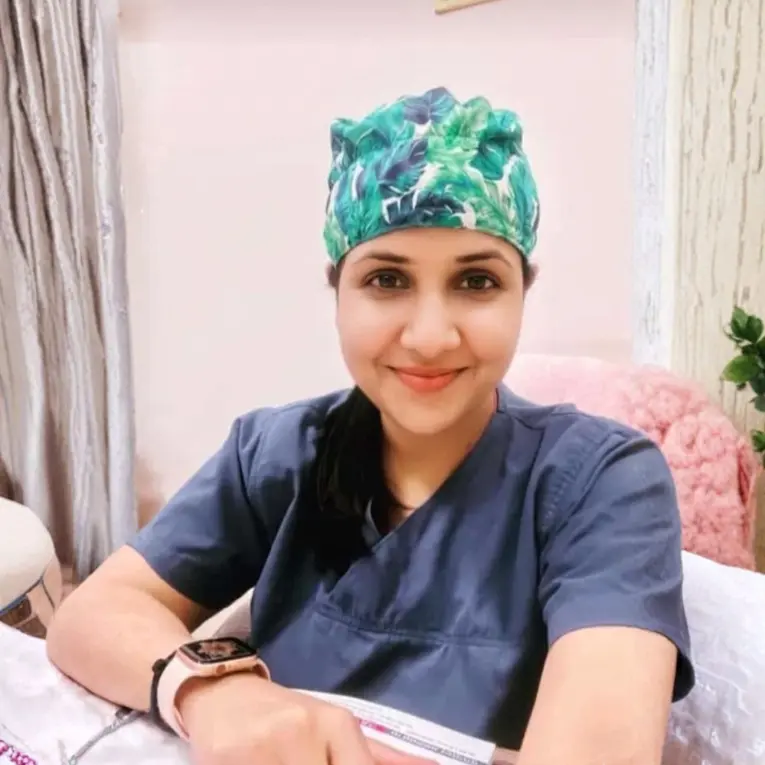
Dr. Priyanka tiwari
Our obstetric team follows each pregnancy from the first confirmation visit through delivery, so continuity of care isn’t interrupted by a change in doctor partway through.
Frequently Asked Questions
What are the signs of a high-risk pregnancy?
Signs that may indicate a high-risk pregnancy include high blood pressure, sudden swelling in hands or face, severe headaches, reduced fetal movement, vaginal bleeding, or a diagnosis of gestational diabetes. Some pregnancies are also classified high-risk from the start due to age, prior complications, or an existing health condition.
How often should I get pregnancy checkups?
For a low-risk pregnancy, checkups are typically monthly through the second trimester, every 2 weeks from week 28 to 36, and weekly after that. High-risk pregnancies usually need more frequent visits, decided based on the specific condition being monitored.
When should I seek urgent care during pregnancy?
Seek immediate medical attention for heavy vaginal bleeding, severe abdominal pain, a bad headache that doesn’t improve, sudden vision changes, reduced or no fetal movement, or signs of labor before 37 weeks. When in doubt, it’s always safer to get checked than to wait it out.
Can a high-risk pregnancy still result in a normal, healthy delivery?
Yes, in most cases. Being classified high-risk means closer monitoring is needed, not that complications are guaranteed. Many high-risk pregnancies, when managed properly, result in a healthy delivery for both mother and baby.
What tests are done during a routine pregnancy checkup?
Routine checkups typically include blood pressure measurement, weight tracking, urine testing, and periodic blood work and ultrasounds at key milestones, such as the dating scan and the anomaly scan around week 18 to 20.
Does gestational diabetes go away after delivery?
In most cases, yes, blood sugar levels usually return to normal after childbirth. However, gestational diabetes does raise the long-term risk of developing type 2 diabetes later, so follow-up screening after delivery is recommended.
Is it normal to feel anxious throughout pregnancy?
Yes, this is common, especially with a first pregnancy or after a prior complication. Regular checkups aren’t just about physical monitoring, they’re also a chance to ask questions and get clarity, which itself helps reduce anxiety around the unknown.