

General & Laparoscopic Surgeon in Gwalior
General & Laparoscopic Surgeon Gwalior
General surgery covers a wide range of conditions affecting the abdomen, digestive organs, and soft tissue, from hernias and gallstones to appendicitis and abdominal injuries. Today, most of these conditions can be treated through laparoscopic surgery, a minimally invasive technique using small incisions instead of one large cut. At Shashwat Hospital, our general and laparoscopic surgeon works with patients across both routine and complex surgical needs in Gwalior, choosing the safest and least invasive option available for each case.
The shift toward laparoscopic surgery over the past two decades isn’t just a trend, it’s backed by real outcome data. One Indian clinical study comparing laparoscopic and open appendix surgery, published in the Journal of Minimal Access Surgery in 2005, found the complication rate was 15 percent for laparoscopic surgery compared to 31.8 percent for open surgery, with a median hospital stay of 3 days versus 5 days. That gap, fewer complications and a shorter stay, is the core reason laparoscopic surgery has become the preferred approach wherever it’s medically suitable.
Laparoscopic Surgery Advantages
Laparoscopic surgery uses a few small incisions, usually under a centimeter each, along with a tiny camera and specialized instruments, instead of one large open cut. This difference in approach carries through to nearly every part of recovery.

Smaller incisions
Less tissue damage means less pain and a lower risk of wound infection.

Faster recovery
Most patients are up and moving within a day, compared to a longer recovery after open surgery.

Shorter hospital stay
Many laparoscopic procedures allow discharge within 1 to 2 days.

Less scarring
Small incisions heal with minimal visible scarring compared to a large open-surgery scar.

Lower blood loss
The precision of laparoscopic instruments typically reduces bleeding during the procedure.

Quicker return to daily life
Less trauma to the body generally means an earlier return to work and normal activity.

Not every condition or every patient is a candidate for laparoscopic surgery, some cases still require an open approach depending on complexity or complications found during the procedure. A qualified general surgeon evaluates this case by case rather than defaulting to one method for everyone.
Common Procedures Performed
Our general and laparoscopic surgeon in Gwalior manages a wide range of conditions, including:

Hernia repair
Treating inguinal, umbilical, and incisional hernias through minimally invasive techniques where suitable

Gallbladder surgery
Laparoscopic cholecystectomy for gallstones and gallbladder disease

Appendix surgery
Laparoscopic appendectomy for acute appendicitis

Abdominal wall conditions
Repair of weakened abdominal muscle areas

Minor surgical procedures
Lump and cyst removal, wound management, and related soft tissue procedures

Emergency general surgery
Urgent surgical care for conditions like a burst appendix or bowel obstruction

Hernia repair, gallbladder surgery, and appendix surgery each involve enough specific detail, symptoms, recovery timelines, and preparation steps, that we’ve covered them in more depth on their own pages, linked below, so you can read about your specific condition without wading through unrelated information.
Meet Our Surgeon
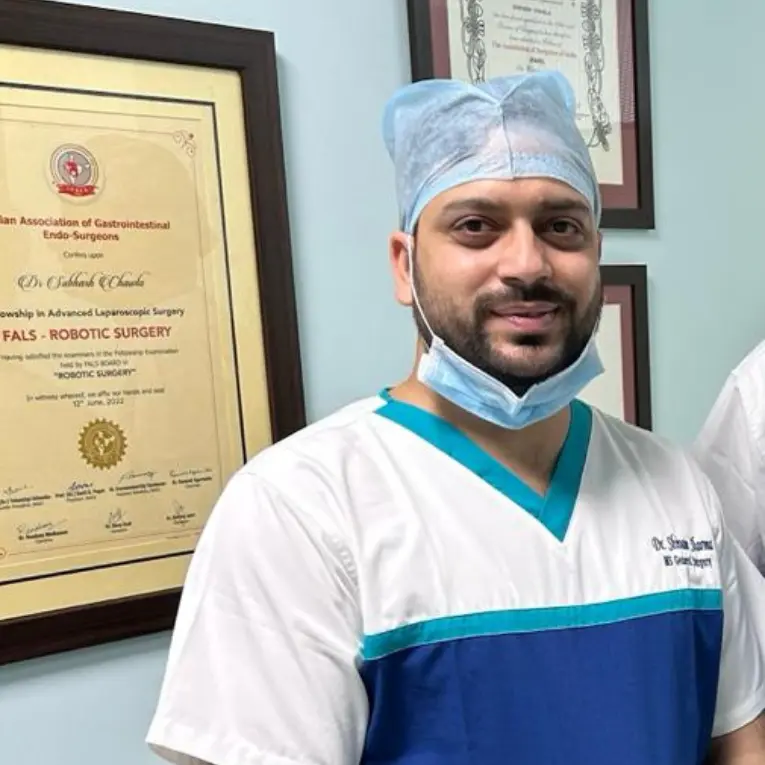
Dr. Swadesh Bhadoria
Dr. Shivam Sharma
Dr. Prateek Dubey
Dr. Pulkit
Dr. Sandeep Jadon
Every consultation starts with understanding the condition fully before recommending a surgical approach, and patients are walked through what to expect at each stage, not just handed a date for surgery.
Pre and Post Surgery Care
Before surgery
preparation typically includes:
- A pre-operative consultation covering medical history, current medications, and allergies
- Basic blood work and any imaging needed to plan the procedure
- Fasting instructions, usually starting the night before surgery
- A clear explanation of the procedure, expected recovery, and any risks specific to your case
After surgery
recovery care includes:
- Monitoring in the hours immediately following the procedure
- Pain management appropriate to the type of surgery performed
- Wound care instructions, particularly important for keeping small laparoscopic incisions clean and infection-free
- A follow-up visit scheduled to check healing progress
- Clear guidance on activity restrictions and when it's safe to resume normal routines, including work and exercise
Frequently Asked Questions
Is laparoscopic surgery safe?
Yes, laparoscopic surgery is considered a safe, well-established surgical technique when performed by a trained surgeon. As with any surgery, some risk exists, but laparoscopic approaches generally carry lower complication rates than equivalent open surgery, largely due to smaller incisions and less tissue trauma.
How long is the recovery time after laparoscopic surgery?
Recovery time depends on the specific procedure, but most patients resume light daily activity within a few days and return to normal routines, including work, within 1 to 2 weeks. Open surgery for the same condition typically takes longer to recover from.
What factors affect the cost of surgery?
Surgical cost depends on the type of procedure, whether it’s laparoscopic or open, length of hospital stay, and any additional care needed.
Will I have a scar after laparoscopic surgery?
Some scarring is normal with any surgery, but laparoscopic incisions are small, usually under a centimeter each, so resulting scars are minimal compared to the larger scar left by open surgery.
How do I know if I need laparoscopic or open surgery?
This depends on your specific condition, its severity, and any complicating factors. Your surgeon will recommend the safest and most effective approach after evaluating your case, which in many situations means laparoscopic surgery, but not always.
Can all general surgery conditions be treated laparoscopically?
No, not every condition or every patient is suited to a laparoscopic approach. Some cases require an open procedure due to complexity, prior surgeries, or complications discovered during the operation.
What should I avoid after surgery?
Common restrictions after surgery include heavy lifting, strenuous exercise, and driving, for a period specific to your procedure. Your surgeon will give you a clear timeline based on how your recovery is progressing.